Book Now
₹33500.00
+18% GSTIntroduction
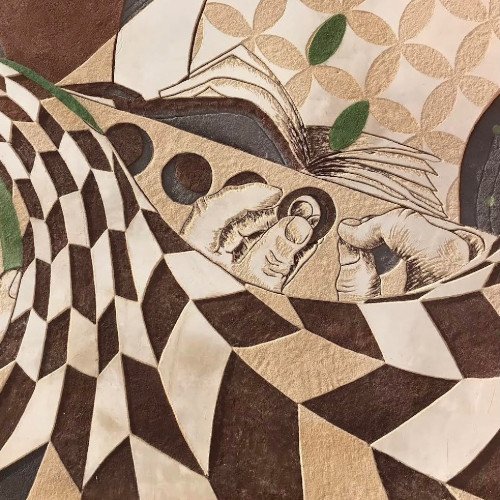
Sgraffito is a traditional decorative technique with roots in Renaissance Italy, later spreading across Central and Eastern Europe, where it became a defining feature of architectural facades. The process involves applying multiple layers of contrasting lime-based plaster and carefully carving through them to reveal textured, multidimensional patterns beneath. Used for centuries on walls and buildings, it remains a powerful form of mural and architectural expression.
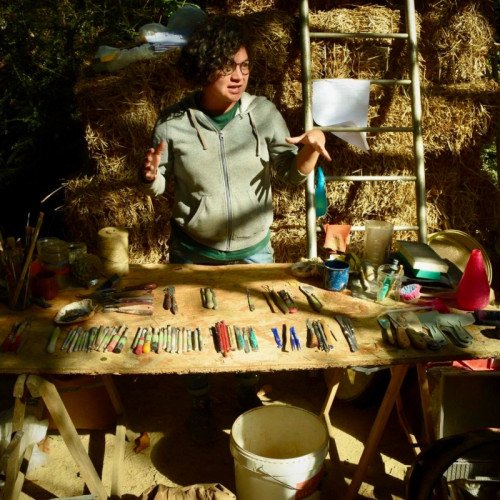
This 5-day advanced workshop explores both sgraffito and lime fresco techniques using all-natural materials. Set in the spectacular Spiti Valley, participants will work directly on walls at our heritage reconstruction site in Kwang village, guided by internationally renowned muralist and master craftswoman Kimberly Barcenas.
Through hands-on practice, participants will gain experience in the preparation and application of lime-based plasters, the use of natural pigments, and the technical processes specific to both fresco and sgraffito. The workshop covers tool handling, design development, layering, carving, and finishing techniques, with a strong emphasis on working in real time with living materials.
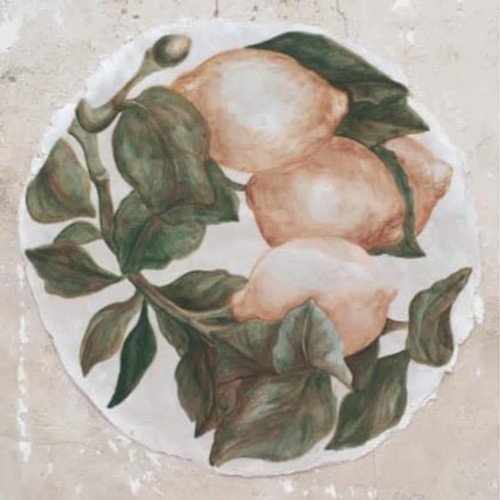
Fresco, with origins in ancient Mediterranean cultures and refined through Italian Renaissance practice, involves painting directly onto fresh lime plaster, allowing pigment to become an integral part of the wall surface.
Kimberly brings a contemporary dimension to these heritage techniques, infusing them with her own artistic language and influences from Mexican mural traditions.
Meet the Artist
Kimberly Barcenas
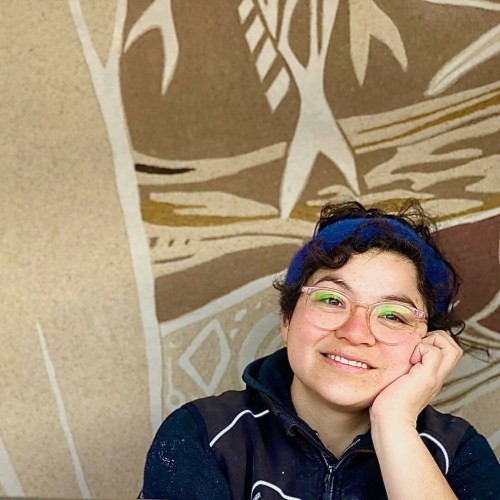
Kimberly Barcenas is a Mexican artist-craftswoman specialising in murals and sgraffito. Her practice fuses traditional mural coating techniques with contemporary artistic expression, blurring the boundaries between craft and art applied to walls. Her work is deeply influenced by the legacy of Mexican muralism.
She has taught and co-taught mural and fresco workshops in Mexico, Spain, Portugal, France, and Hungary.
Techniques Covered
Fresco painting, mezzo fresco, and sgraffito
Sgraffito Techniques:
-
Textural sgraffito
-
Multi-layer sgraffito
-
Italian sgraffito
Workshop Description
This workshop offers an intensive, hands-on exploration of key traditional mural techniques rooted in historic Italian practice: buon fresco, mezzo fresco, and sgraffito. All techniques are taught through direct application on wall surfaces.
The program combines applied theory with continuous practical work, with particular attention given to wall preparation, the use of traditional lime-based materials, and the technical processes involved in mural execution.
Participants will also explore three distinct approaches to sgraffito: textural sgraffito, multi-layer sgraffito, and the Italian sgraffito technique.
Learning Objectives
This workshop aims to:
-
Provide technical skills for preparing and treating walls for traditional mural applications
-
Develop practical ability in buon fresco, mezzo fresco, and sgraffito techniques
-
Introduce and apply different sgraffito methods depending on desired visual and material outcomes
-
Build an understanding of the relationship between wall structure, layering, timing, and final results
Learning Outcomes
By the end of the workshop, participants will be able to:
-
Prepare wall surfaces for traditional mural techniques
-
Plan and manage mural work according to the timing requirements of each technique
-
Execute a fresco painting directly on a wall
-
Apply the mezzo fresco technique
-
Create sgraffito using:
-
Textural variation
-
Multi-layer stratification
-
Traditional Italian sgraffito
-
-
Identify and distinguish between major historic mural techniques through direct practice
Workshop Structure
Day 1 – Wall Preparation & Materials
-
The lime cycle
-
Types of lime and aggregates
-
Wall preparation and conditioning
-
Application of the arriccio layer
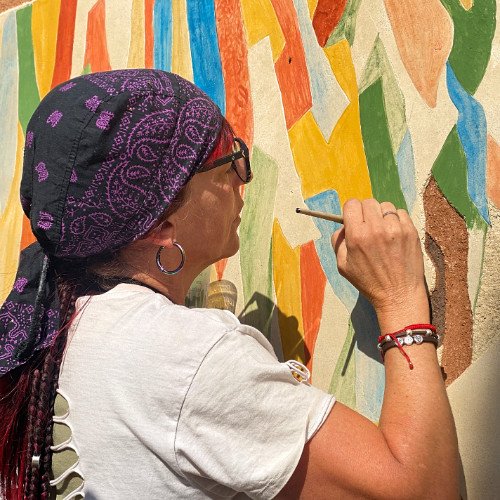
Day 2 – Fresco Painting
-
Principles of buon fresco
-
Preparation of the intonaco
-
Sinopia and planning the giornata
-
Execution of a fresco painting on the wall
Day 3 – Mezzo Fresco Technique
-
Characteristics and applications
-
Direct intervention on the wall
-
Technical and expressive comparison with fresco
Day 4 – Sgraffito: Layers & Texture
-
Introduction to sgraffito
-
Preparation of layered coloured plasters
-
Textural sgraffito
-
Multi-layer sgraffito
Day 5 – Italian Sgraffito
-
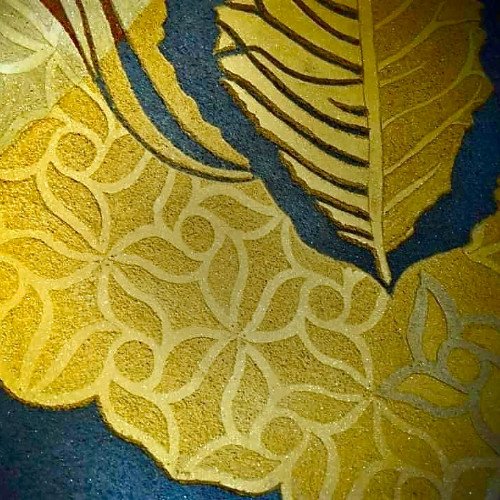
Characteristics of Italian sgraffito
-
Design planning
-
Transferring the drawing
-
Execution of the sgraffito
-
Final finishes and group reflection on the mural work
Location
Kwang Village - Spiti Valley - Himachal Pradesh - India
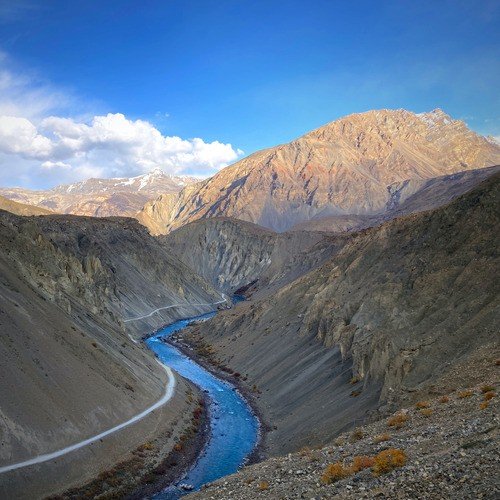
The workshop takes place at our heritage reconstruction site in the small village of Kwang, nestled deep within the Spiti Valley. Surrounded by vast mountain landscapes and shaped by the quiet rhythm of village life, the setting offers a rare opportunity to engage directly with the region’s vernacular architecture—built by hand from earth, stone, and lime. Working here allows participants to connect not only with the techniques themselves, but with the environment and cultural context from which they emerge. Experience architecture as art.