Book Now
₹35000.00
+18% GST
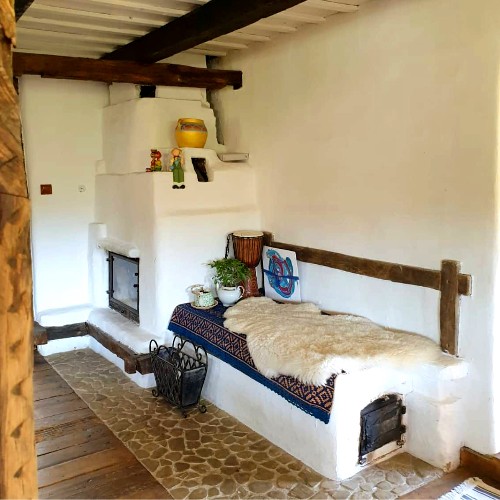
Image Credit:Raluca Marinescu Pinterest
Masonry Heater Building Workshop: Crafting High-Efficiency Wood-Fired Fireplaces
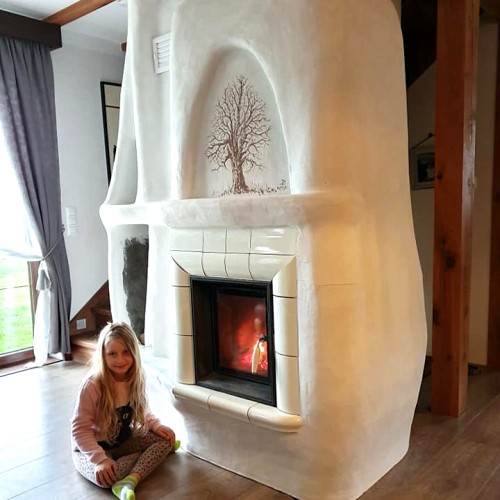
Masonry heaters are timeless expressions of functional art — fireplaces that combine refined craftsmanship, intelligent design, and deep, radiant comfort. Over the course of this one-week hands-on workshop, participants will be introduced to the principles, materials, and creative design process behind these elegant heating systems. From high-temperature combustion and thermal mass to form, proportion, and finish, the workshop explores how masonry heaters are thoughtfully crafted to become the warm, beating heart of a home — offering beauty, efficiency, and comfort that endures for generations.
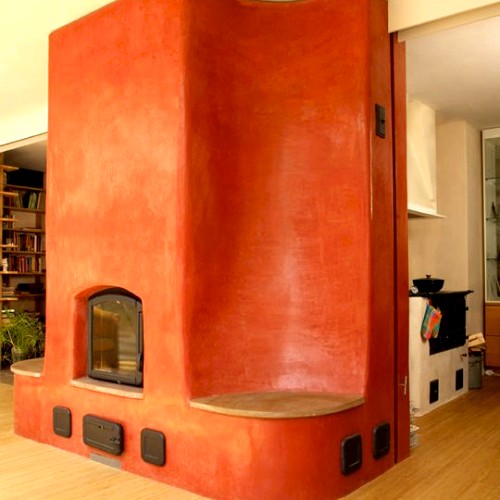
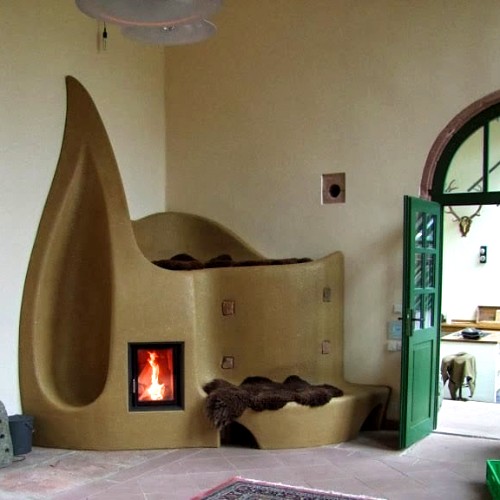
Image Credit: Robert Blaszczyk
The Masonry Heater We Will Build
During the workshop, participants will collaboratively design and construct a wood-fired masonry heater with an integrated oven, tailored specifically to its Himalayan setting. The heater will be built using traditional masonry principles adapted to local materials, climate, and patterns of daily use.
At its core is a high-temperature firebox, designed for clean and efficient combustion. Heat from the fire will be drawn through a carefully designed system of internal flues, allowing the surrounding masonry to absorb and store energy before it is gently released as radiant warmth over many hours. A single, short firing is intended to provide long-lasting heat, reducing fuel use while maintaining comfort.
The oven will be fully integrated into the thermal mass, allowing heat generated for space heating to also be used for cooking and baking. The final form will balance performance and proportion, with careful attention given to flow, surface, and finish so the heater becomes both a functional and aesthetic centre of the building.
Throughout the build, participants will engage with every stage of the process — from layout and firebox geometry to flue design, masonry techniques, and finishing — gaining a deep, practical understanding of how these timeless heating systems are conceived and constructed.
The design will be carefully tailored to patterns of daily life in Spiti, where cooking and heating traditionally happen together. By adapting proven masonry-heater principles to local use, the finished fireplace will support both warmth and nourishment through a single, thoughtfully integrated system.
Meet The Master Craftsman
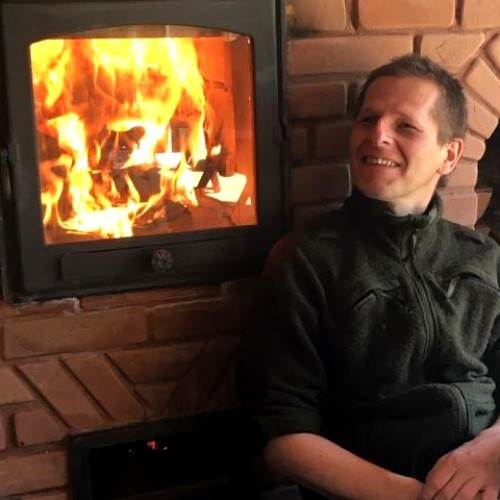
Robert Blaszczyk is a Polish Master Craftsman who has spent the past fifteen years immersed in the living tradition of masonry heaters. His design philosophy is guided by the simple principle drawn from permaculture: achieve maximum efficiency with minimum effort. Throughout his career he has sought trainiung under many great Masters, gathering essential wisdom from each, and shaping it into a style that is distinctly his own.
At the heart of his work is a passion for sharing knowledge. Through a hands-on, intuitive teaching style, he strives to make the often complex world of combustion and heat flow easy to understand. His heaters reflect this clarity — thoughtfully designed, deeply efficient, and created to be lived with, day after day, as the warm centre of a home.
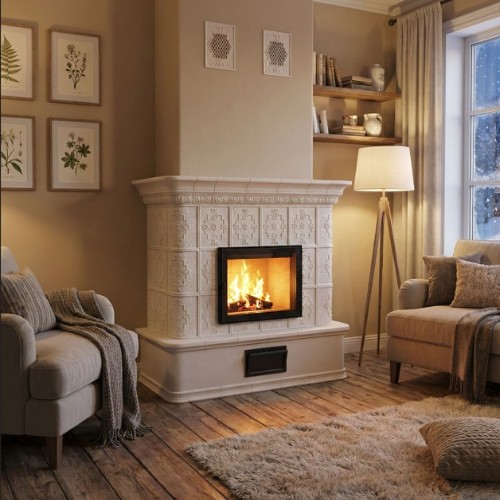
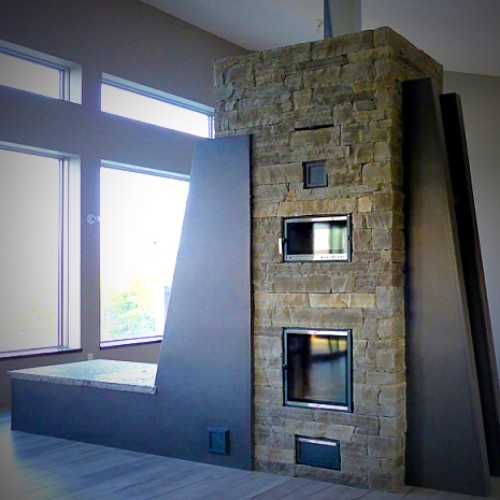
Image Credit: Robert Blaszczyk
Masonry Heater Workshop Content
Theory
-
History and evolution of masonry heaters, tracing their development across different cultural and climatic contexts, illustrated through photographic case studies and built examples
-
Thermal performance principles, including understanding how masonry heaters function as high-efficiency, low-emission heating systems
-
Heat demand calculations, covering assessment of the home’s surface area, evaluation of thermal characteristics and insulation levels, and calculation of the energy required to maintain a comfortable internal temperature of approximately 22°C
-
Wood energy fundamentals, including the calorific value of wood, combustion efficiency, and determining the quantity of fuel required to meet calculated heating demands
-
Thermal mass design, focusing on calculating the amount and type of masonry mass required to store and slowly release the necessary heat
-
Aesthetic integration and finishing options, exploring form, proportion, surface treatments, and material finishes to integrate the heater harmoniously within the architectural and cultural context of the home
Practical
-
Material preparation and site setup, including preparation of mortar mixes and organising tools, materials, and work areas
-
Design layout and setting out, translating drawings into full-scale layouts and establishing heater dimensions and positioning
-
Masonry construction, covering foundation preparation, brick and stone laying, construction of the firebox, and internal flue channels
-
Chimney placement and construction, including flue routing, clearances, and connection to the heater
-
Installation of hardware, such as fire doors, clean-out vents, and other functional components
-
Finish plasters and surface treatments, applying final plaster layers and completing surface finishes
Location
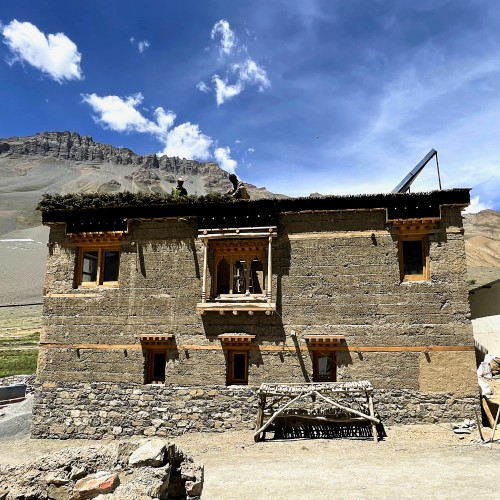
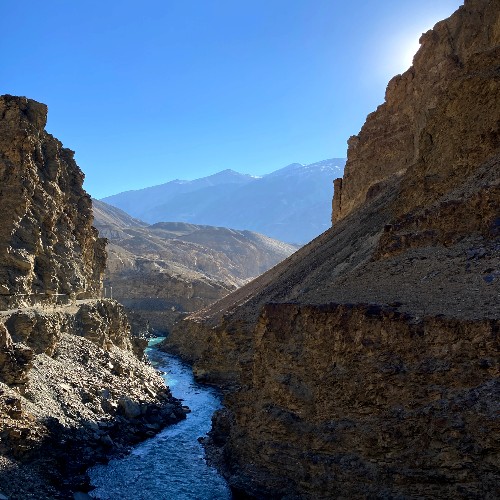
The workshop will take place at our heritage reconstruction site in Kwang village, Spiti Valley, Himachal Pradesh. Participants will spend a week immersed in hand-crafted architecture — not only through the masonry heater they will help build, but also through the wider project that surrounds it. Set within a carefully revived ensemble comprising a two-storey home, an independent cottage, and a kitchen–dining space, the site offers a rare opportunity to experience traditional Spitian craftsmanship reinterpreted for contemporary use. In this setting, participants will learn the art and principles of masonry heaters from a Polish Master Craftsman, bridging European heating traditions with the living architectural heritage of the Spiti Valley.
Workshop Inclusions & Exclusions
What’s Included
-
One-week, hands-on masonry heater workshop led by a Polish Master Craftsman
-
Full participation in the design and construction of a masonry heater with integrated oven and cooktop
-
Daily practical instruction covering firebox design, flue systems, thermal mass, material selection and calculations
-
Use of tools and shared materials required for the workshop build
-
Site visit and contextual learning within our heritage reconstruction project in Kwang village
-
Vegetarian lunch & tea / coffee during workshop days
-
Certificate of participation
What’s Not Included
-
Travel to and from Spiti Valley or to & from the site
-
Accommodation (can be arranged separately on request)
-
Breakfast and dinner
-
Travel and medical insurance
-
Personal expenses
-
Optional excursions outside the workshop programme